Vision or empty promises
Influencers stand for empowerment, trends and lifestyle. But how real are influencers really? Between self-presentation, AI-generated images and enormous reach, it’s becoming increasingly difficult to tell what’s real.

Influencers stand for empowerment, trends and lifestyle. But how real are influencers really? Between self-presentation, AI-generated images and enormous reach, it’s becoming increasingly difficult to tell what’s real.

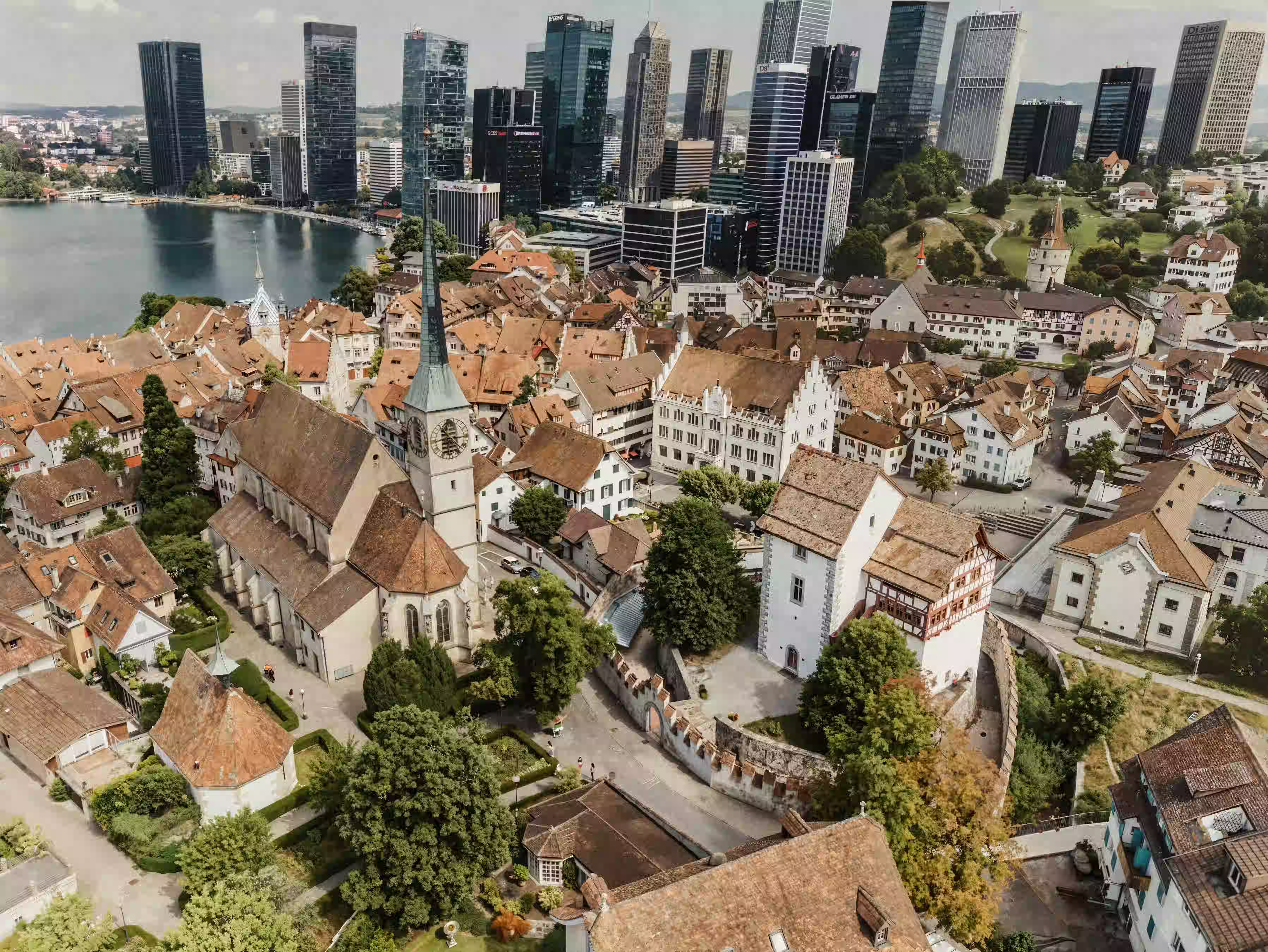
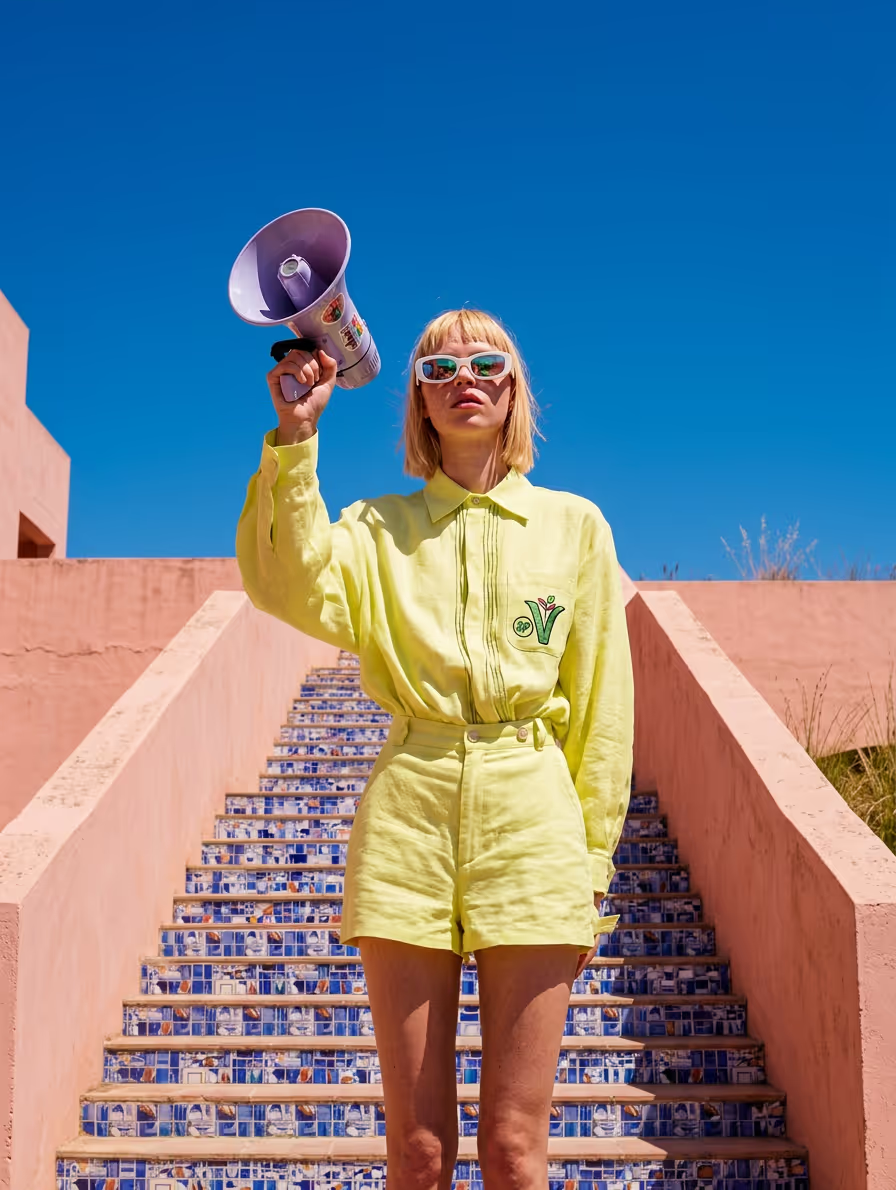
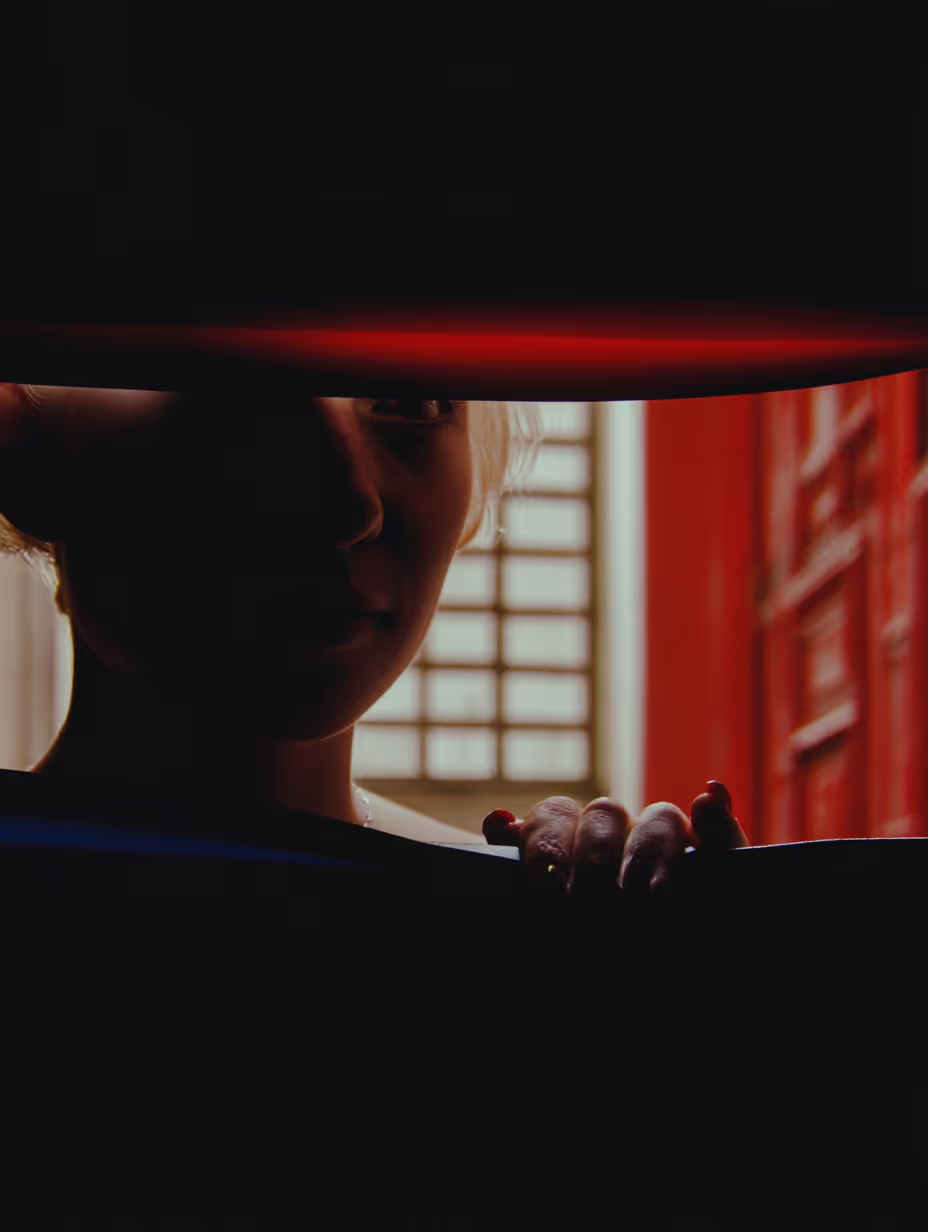
The left image is an AI fantasy of the “perfect Swiss influencer” – blonde, flawless, interchangeable.
The right image shows Anina Mutter, a real influencer with attitude and responsibility. Photographed by Siggi Bucher for Ringier.
AI reinforces stereotypical beauty ideals – young, slim, white, seemingly perfect.But perfection is not authenticity.
While Anina stands for genuine content, the AI version remains an empty shell: beautiful, but without stance or identity.
For our coexistence in cities, there are rules, norms, and shared expectations.
In the digital space, such guardrails are often missing. Yet, content, images, and algorithms have long shaped how we see ourselves, others, and our future.
The Conscious Influence Hub, together with creators, experts, and organizations, has developed a Code of Conduct. It translates societal values into ten simple and actionable guidelines for the digital world.
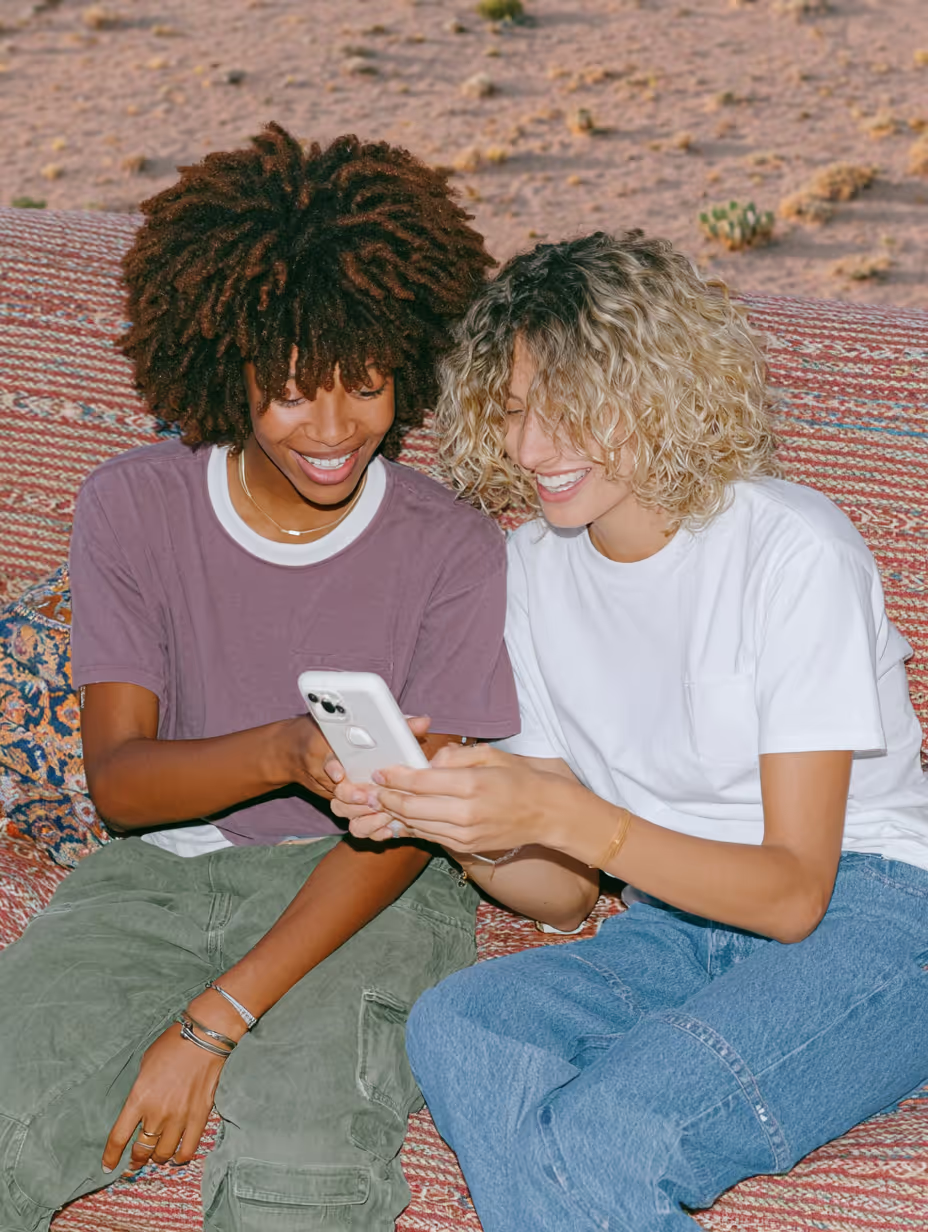
You communicate fact-based, transparently, and honestly.
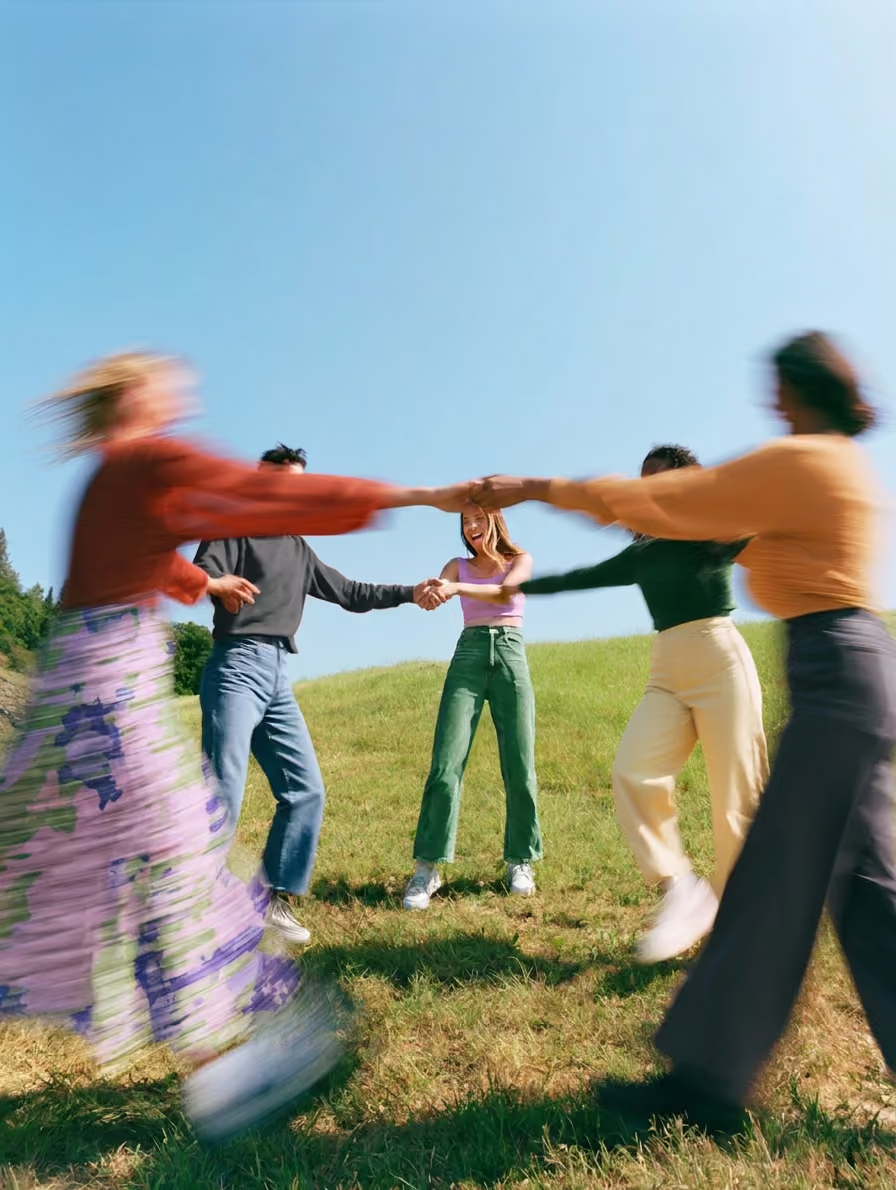
You provide context and foster open discourse.
You are aware of sexism.
You respect the privacy of others.
“What if perfection becomes the norm and no one is allowed to be real anymore?”
Welcome to WHAT THE FAKE – discover more image pairs, facts, and tips.