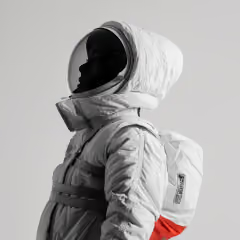
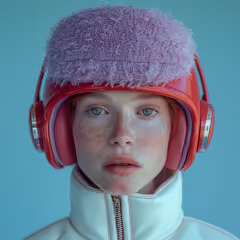
One face. Two narratives.
The same person in two completely different stories. How does our view of people change when their image is manipulated?

The same person in two completely different stories. How does our view of people change when their image is manipulated?
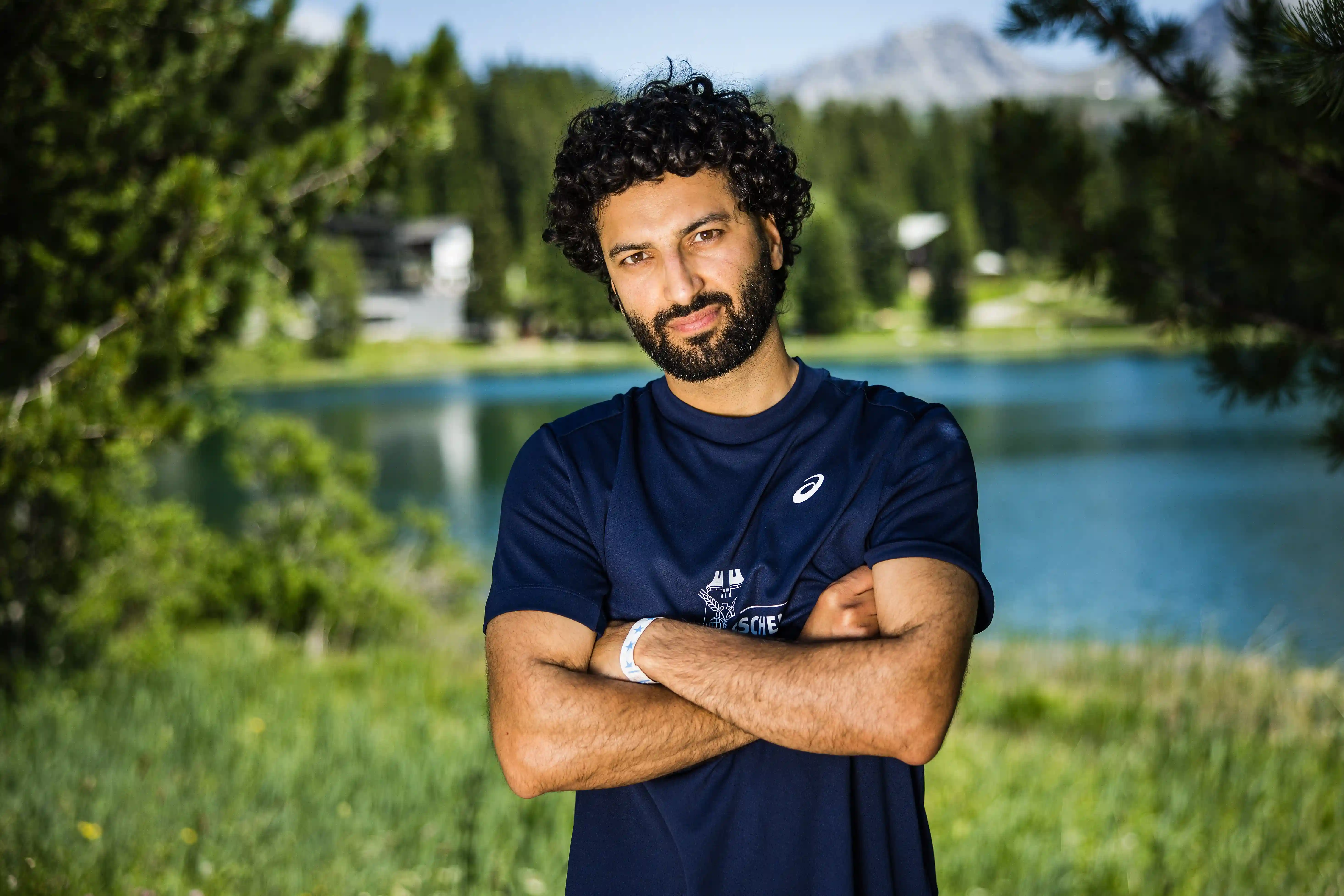
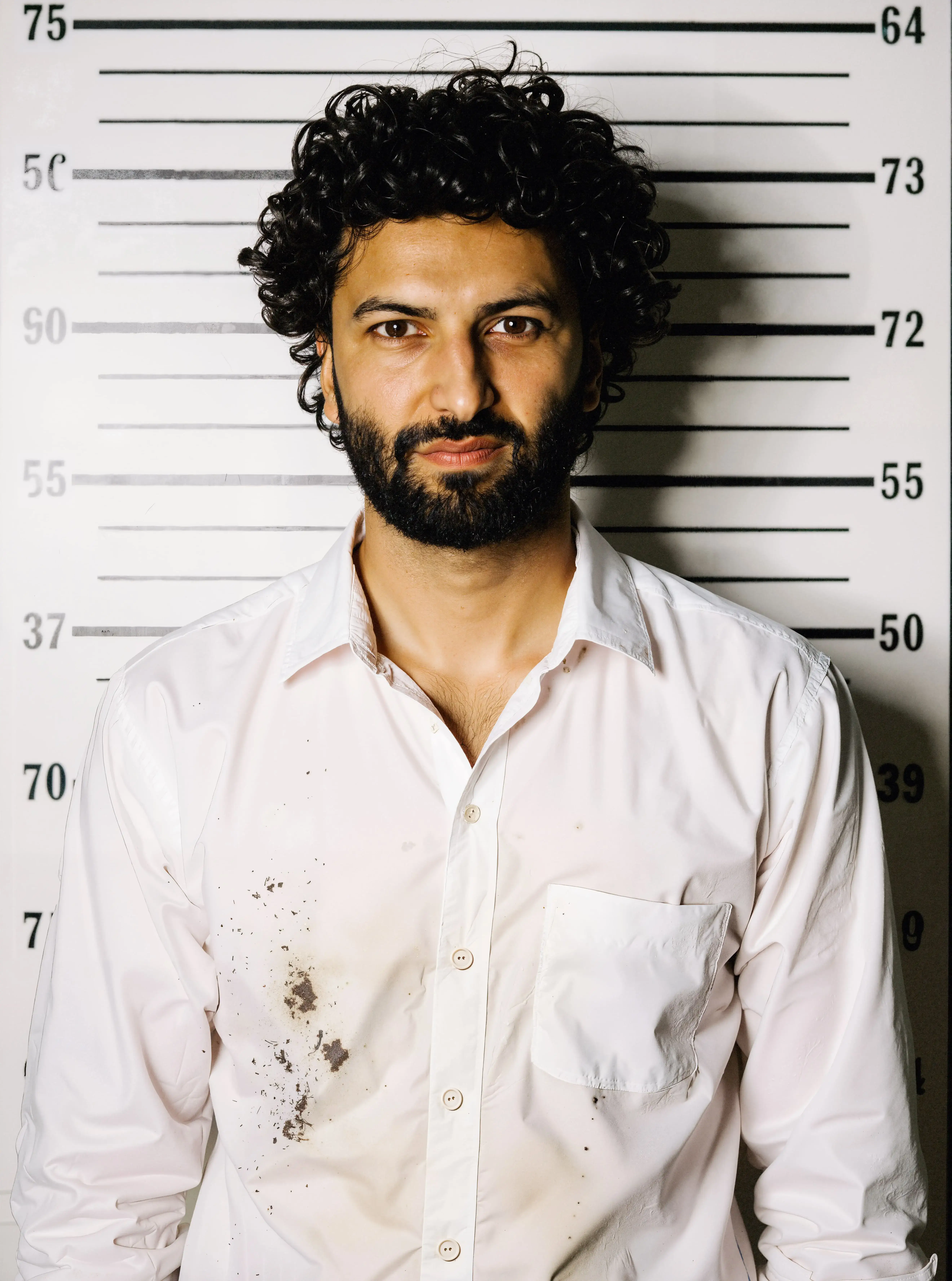
The left image shows Ramin, known from SRF Zwei am Morgen: authentic, sporty, in nature.
The right one is an AI fake. His face was turned into a criminalising mugshot.
The danger: AI reinforces racist and discriminatory patterns. People with a migration background or people of colour are more quickly pushed into problematic narratives.
AI artist Basil Stücheli shows how a deceptively realistic fake photo is created from the original image from the Ringier archive by Stefan Bohrer – and why this can be dangerous.
My work is defined by authenticity, fleeting moments, and the responsibility to capture reality as genuinely as possible. This is precisely where I see the primary danger of AI: it increasingly blurs the line between documentation and fiction.

One click can turn someone from a friend into a suspect.

AI systems adopt discriminatory patterns from training data.

Such depictions can jeopardize jobs, relationships, or even the safety of the individual concerned.

A single image can quickly lead to a snap judgment, and AI-generated fakes have the potential to further entrench existing stereotypes.
%201.avif)
Facial recognition has up to a 35× higher error rate for people of colour than for white people.
(Source: ACLU Minnesota, 2018)
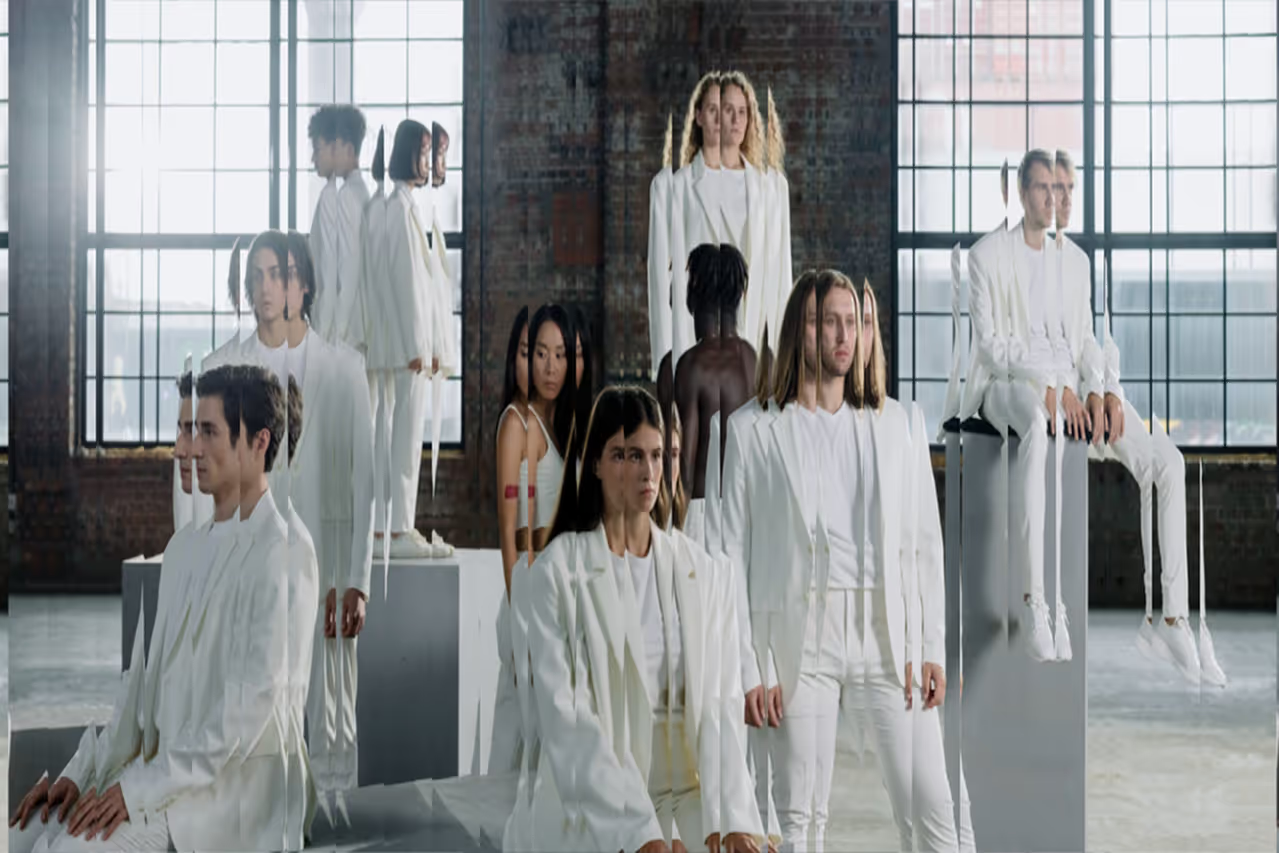
AI models reproduce discrimination unnoticed — the bias is in the data.
(Source: AI Now Institute, Landscape Report 2023)
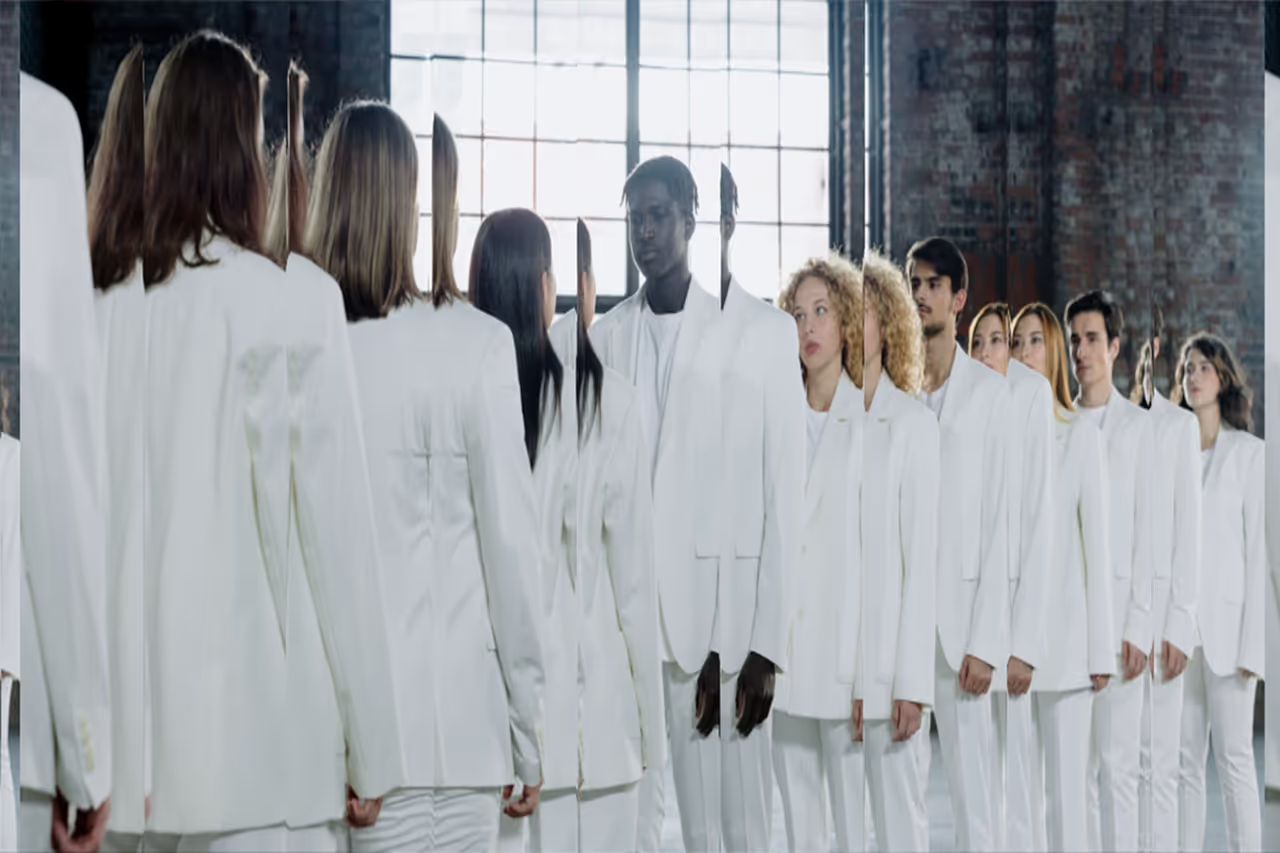
People judge the same person completely differently depending on the image context.
(Source: Journal of Experimental Psychology, 2020)
49% of the Swiss population are concerned that AI could lead to discrimination.
(Source: Digital Barometer, 2024)

Ask yourself: Who is publishing this image? With what goal?

Media and AI systems need diverse perspectives.

AI is never objective. It reflects human prejudices.

One face. Two images.
Two completely
Two completely different stories.
“When AI decides how you are seen — what remains of your truth? ”
Welcome to WHAT THE FAKE — discover more pairs of pictures, facts and tips