Progress & the power of images
An image writes history. Or does it rewrite it? Both images tell stories of work, technology, and progress. But only one of them is a genuine historical document.


An image writes history. Or does it rewrite it? Both images tell stories of work, technology, and progress. But only one of them is a genuine historical document.
.webp)

You are looking back at a time of transition. New roads, new bridges, new possibilities. People stand in the middle of the landscape, surrounded by tools, vehicles, and construction. Progress is visible and tangible.
But which image shows history as it actually happened? And which image shows a version of it that never existed?
The real image shows workers building a bridge.
It is a historical photo from the Aargau State Archives that symbolizes a new beginning, engineering prowess, and pioneering achievement. Modernity is created step by step. A canton is growing together.
The AI-generated image picks up on this visual language and subtly alters it. The scene appears more orderly and advanced. The road is wide, leading traffic over the horizon toward distant destinations. Vehicles and people bear witness to rapid change.
The AI shifts the timeline. It does not show what was, but rather what seems plausible from today's perspective, thereby rewriting history.

If historical documents can be manipulated, what still counts as "proof"?

Fakes can distort the perspective of entire generations.

History is being restaged, caught between enlightenment and propaganda.
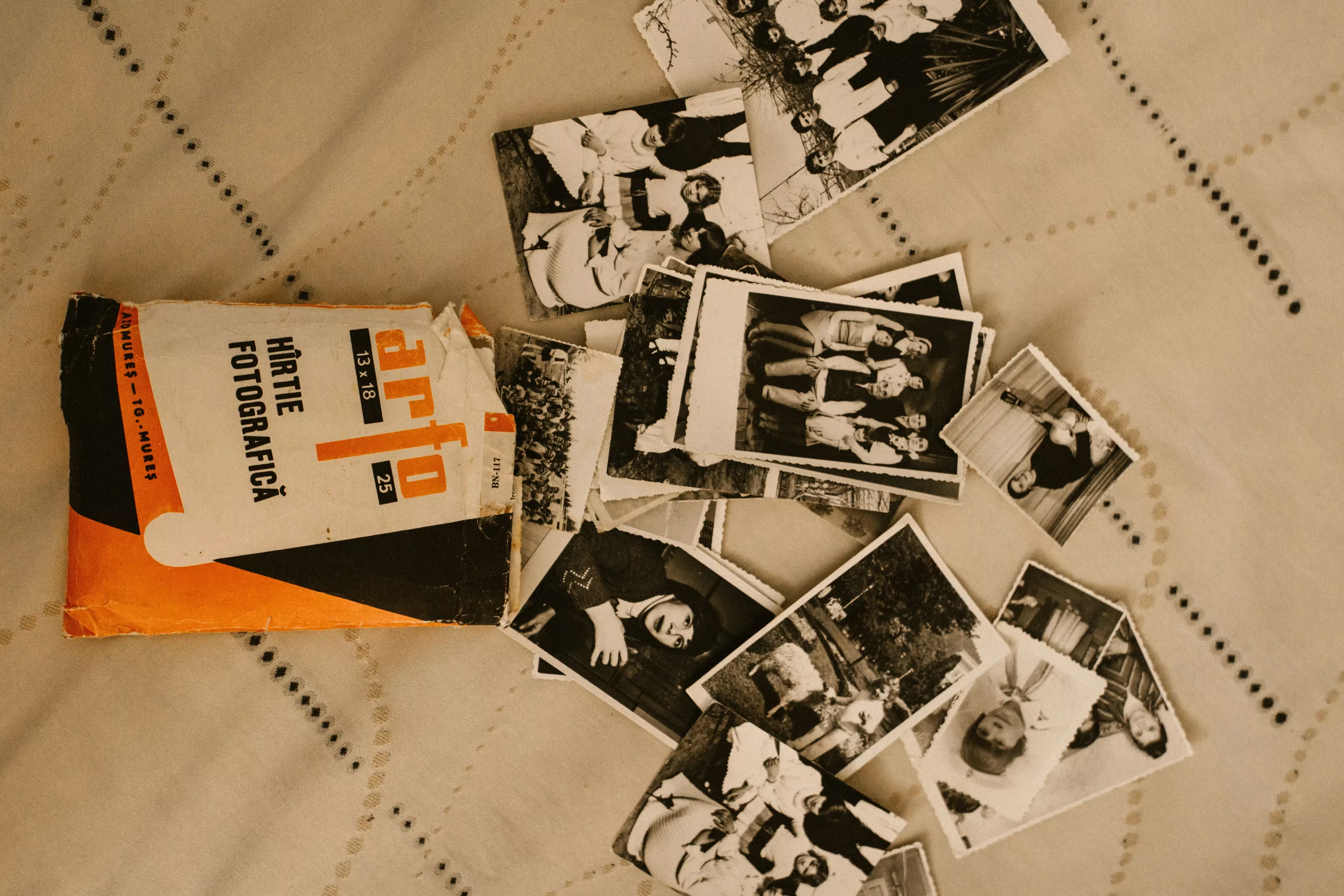
The Ringier Image Archive, which is now preserved at the Aargau State Archives, contains around 7 million images from the period 1935–2000 and is considered the largest publicly held photographic collection in Switzerland.
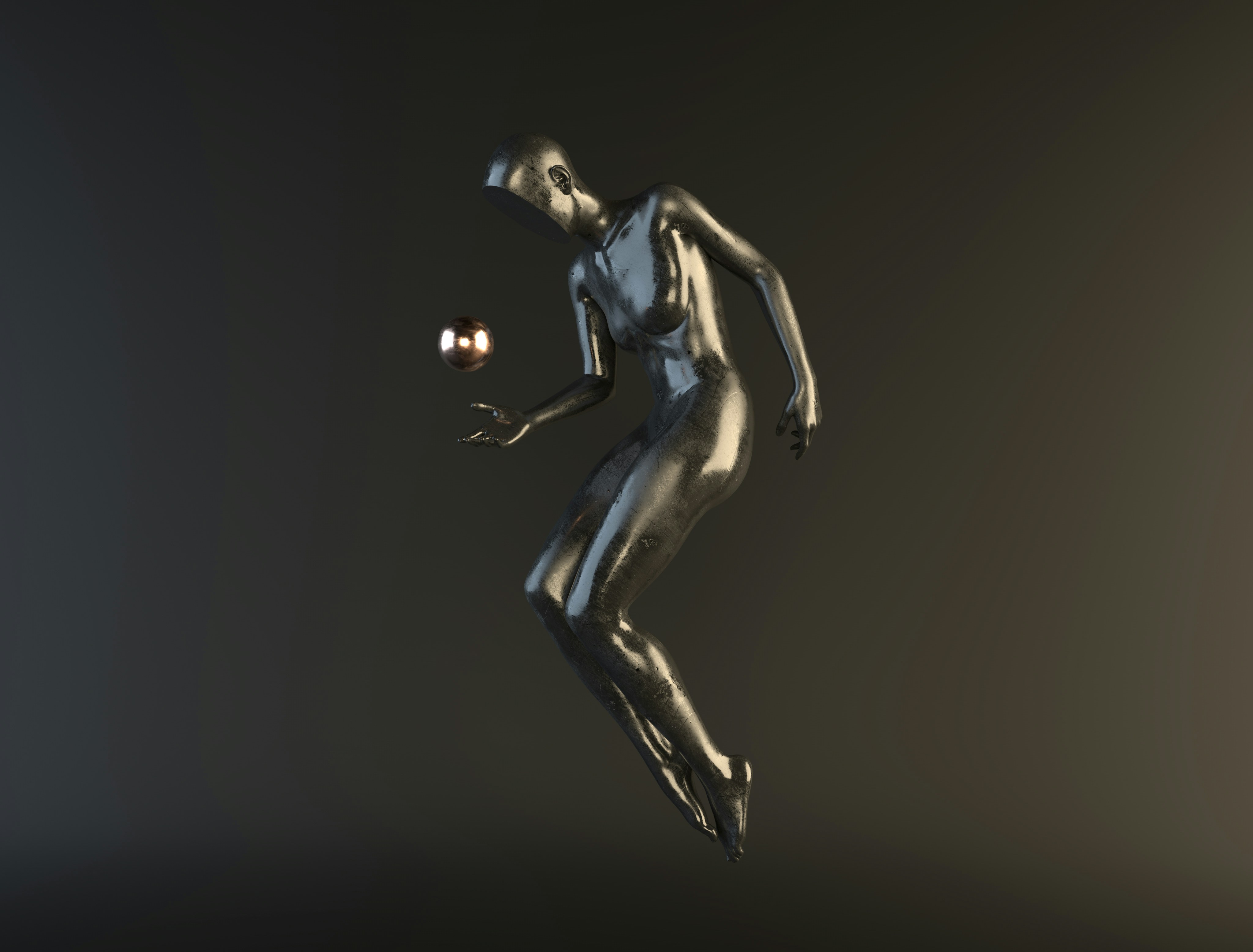
AI forgeries are on the rise: According to a report, the number of fake selfies and AI-generated images has increased by 58%.
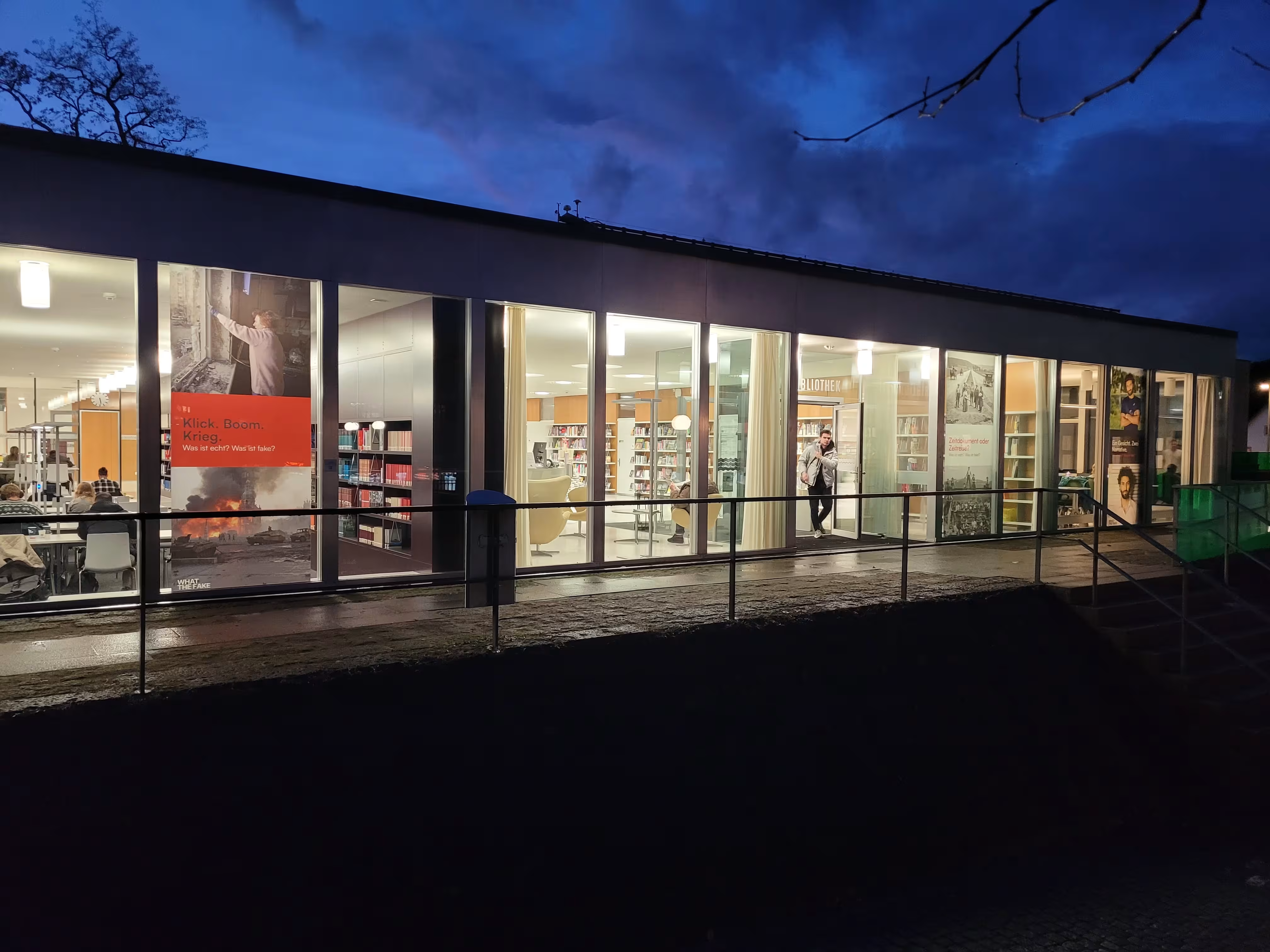
Archival images from Aargau are historically verifiable: The Aargau State Archives house original historical photographs and documents regarding the region's infrastructure and transport history, including materials on 19th-century road and bridge construction.

Ask yourself and verify: Where does this image come from?

Distinguish between archival material and AI-generated imagery.
Pay attention to how progress is depicted and what is missing in the process.
Question images that tell history too smoothly, too logically, or too perfectly.
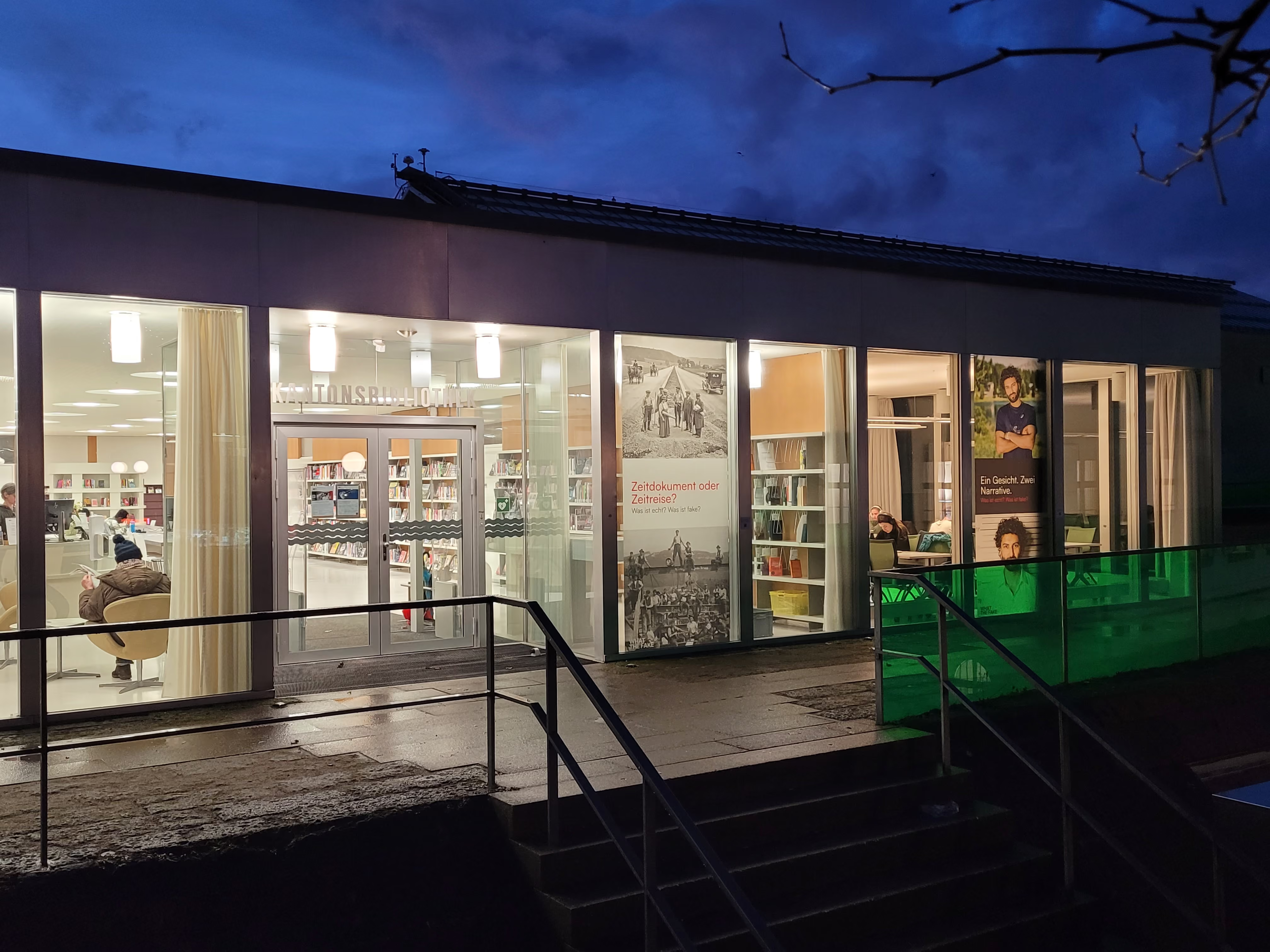
The Aargau Library and Archive combines the cantonal services of the Cantonal Library, the State Archive, and library development, collecting and sharing the history and culture of the canton in written and audiovisual form.
The theme for 2026 is "Truth and Lies." An exploration of how we distinguish reality from deception and how images shape our understanding of history and facts.
"What happens when perfection becomes the norm and no one is allowed to be real anymore?"
Welcome to WHAT THE FAKE – discover more image pairs, facts, and tips.